Fitness guides
Short, honest guides on the ideas behind the calculators, each with its own original illustration. 52 guides are published so far.

How Many Calories Do You Burn Walking?
Walking calorie burn by speed and body weight, and why the honest answer is a range rather than a single number.
Read the guide
What Is a MET? Activity Energy Explained
METs are the unit behind every activity calorie table. What one MET means, where the values come from, and how far to trust them.
Read the guide
How to Calculate Your TDEE and Use It Well
TDEE is the maintenance number every diet is built from. How it is calculated, why the activity factor goes wrong, and how to correct it with your own data.
Read the guide
BMR Explained: The Calories You Burn Doing Nothing
Your basal metabolic rate powers your brain, organs and temperature around the clock. What sets it, what lowers it, and why it matters for every diet.
Read the guide
How Many Calories to Lose Weight?
The deficit maths behind fat loss: how big a gap to aim for, why 0.5 kg a week suits most people, and when slower is smarter.
Read the guide
Protein for Muscle Growth: How Much Is Enough?
How much protein muscle building really takes, what the research range is, and why timing and total both matter less than consistency.
Read the guide
Macro Splits Explained: Finding Your Protein, Carb and Fat Mix
Balanced, high protein, low carb, endurance and keto splits compared: what each percentage plan does well and who it suits.
Read the guide
BMI and Its Limits: A Useful Number, Not a Verdict
BMI is quick, free and genuinely useful, and also blind to muscle, frame and fat distribution. How to use it without being misled by it.
Read the guide
Stretching and Mobility: Range You Can Actually Use
Flexibility and mobility are not the same thing. What each one is, what training actually improves, and a realistic routine.
Read the guide
Running Form Basics: Small Cues, Real Economy
Economy is the runner's hidden skill. Posture, cadence, arm swing and the drills that make the same pace cost less.
Read the guide
How to Choose Running Shoes: Fit First, Always
Fit before fashion: heel drop, stack height, width and the rotation question, plus when a pair is actually finished.
Read the guide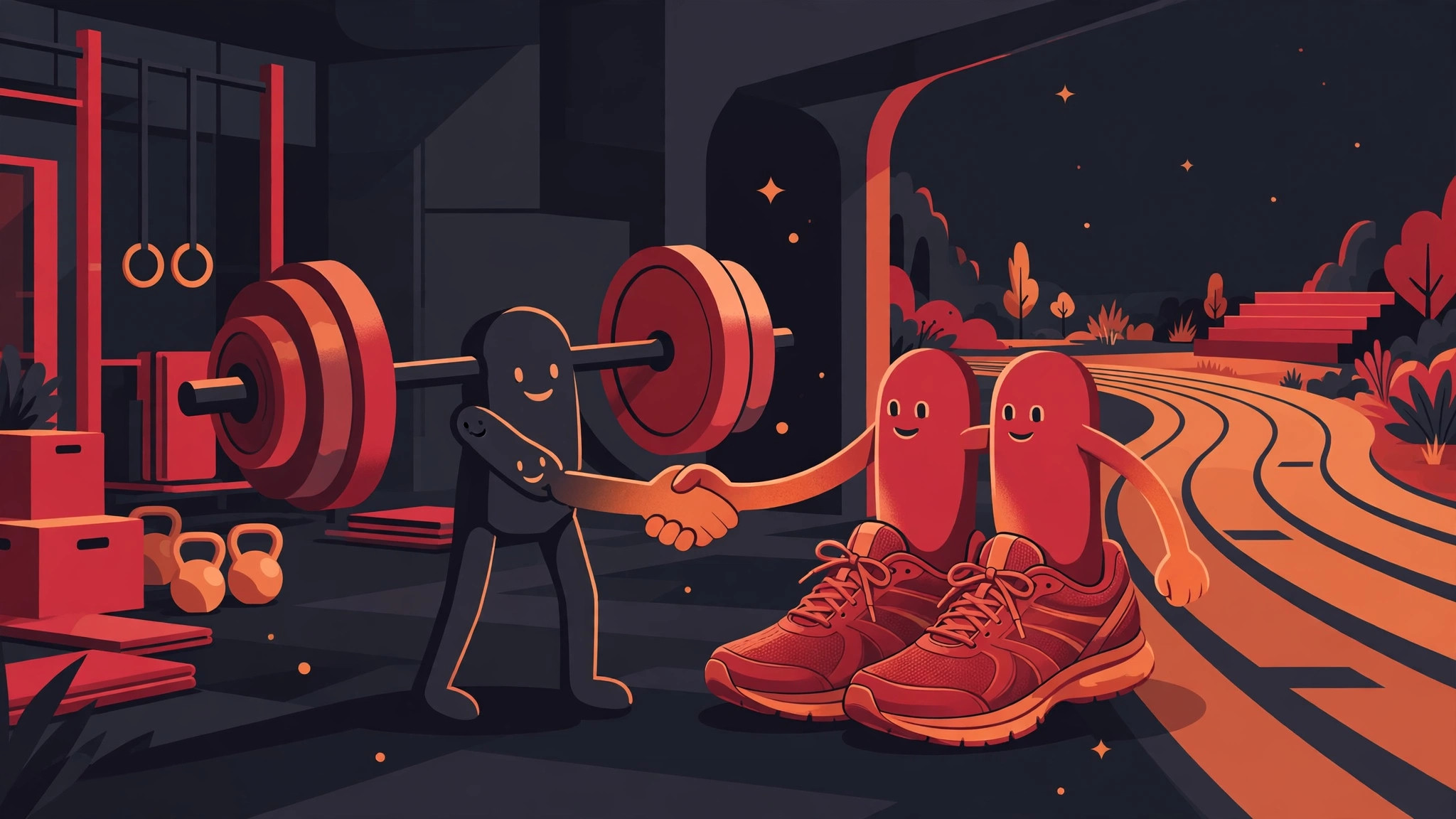
Strength vs Cardio: You Need Both, in the Right Order
Cardio and lifting are partners, not rivals. What each does best, the interference question answered honestly, and how to combine them.
Read the guide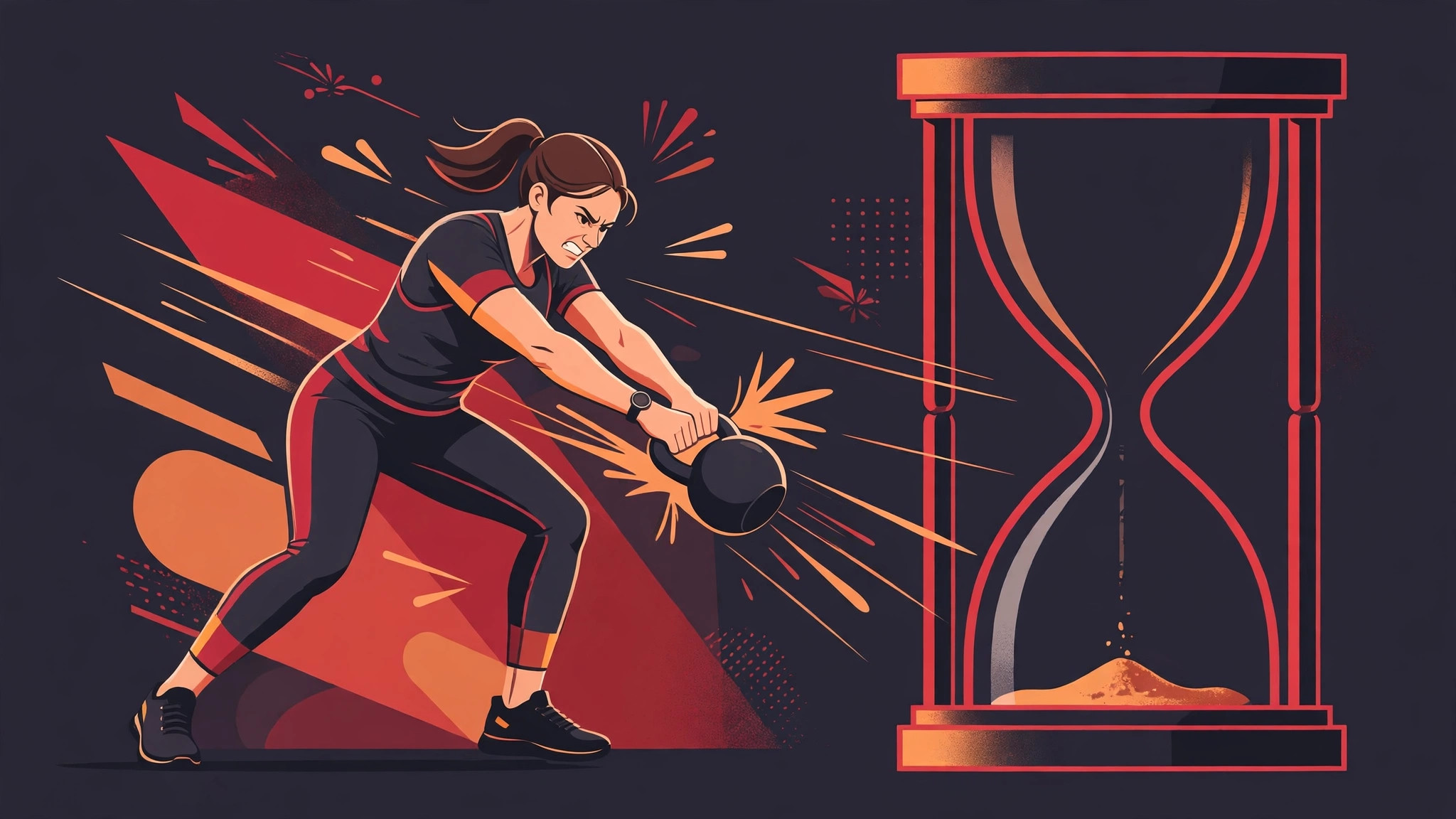
HIIT Explained: Powerful, Short and Slightly Oversold
What HIIT can and cannot do: real calorie costs, the afterburn effect at its true size, and why it complements rather than replaces steady work.
Read the guide
Yoga and Pilates: What They Actually Do for Fitness
What yoga and Pilates genuinely deliver: strength at range, balance, breathing and back friendly core work, priced honestly against other training.
Read the guide
Walking for Fat Loss: The Sustainable Deficit
Walking is the most sustainable fat loss exercise ever studied by accident. Dose, pace and the NEAT effect that makes it work.
Read the guide
Hydration Myths: Thirst, Eight Glasses and Other Stories
Eight litres a day, clear urine, thirst is too late: the famous hydration claims checked against what physiology actually says.
Read the guide
Sleep and Performance: The Upgrade You Cannot Buy
Sleep is the legal performance enhancer nobody can sell you. What it does for strength, endurance, appetite and injury risk.
Read the guide
Tracking Progress Beyond the Scale
The scale is the noisiest instrument you own. Photos, tape, gym numbers and trends: a progress dashboard that tells the truth.
Read the guide
Common Beginner Mistakes (and Their Boring Fixes)
The errors that end most fitness journeys in the first ninety days, and the boring fixes that prevent every one of them.
Read the guide
Staying Consistent: Systems Beat Motivation
Motivation is weather; systems are climate. Environment design, minimum sessions and identity: how fit people actually stay fit.
Read the guide
Body Fat Percentage: Ranges, Methods and Honest Readings
What body fat percentages look like, how the Navy tape method estimates yours, and why the trend matters more than any single reading.
Read the guide
Waist to Hip Ratio and Health: Why the Middle Matters
A simple ratio that says a lot about metabolic risk: how to measure it, the WHO cut points, and why waist fat behaves differently.
Read the guide
The 10,000 Steps Question: Slogan or Science?
Where the famous 10,000 step target really came from, what research says about step counts and health, and how to set your own number.
Read the guide
Calories Burned Running: The Per Kilometre Rule
The steady rule of running energy: about 1 kcal per kilogram per kilometre, why pace barely changes it, and how to use it for fuelling.
Read the guide
How Cycling Calories Work: Speed Changes Everything
Why cycling burn doubles when speed climbs by half, how drafting and hills bend the numbers, and how to estimate a ride honestly.
Read the guide
Swimming Calories Explained: Strokes Compared
Freestyle, breaststroke, backstroke and butterfly compared, why water makes burn hard to judge, and what a solid swimming hour is worth.
Read the guide
How to Find Your Running Pace
Pace is the language of running. How to calculate yours, the paces that matter in training, and why easy pace should feel almost too slow.
Read the guide
Predicting Your Marathon Time from a Shorter Race
How the Riegel formula turns one race into a marathon prediction, where it flatters you, and how to train the gap away.
Read the guide
Even Splits vs Negative Splits: How Records Are Set
Even pacing, negative splits and the heroic fade: what race data says about the fastest way to reach the finish line.
Read the guide
Heart Rate Zones Explained: What Each Zone Builds
The five training zones in plain language: what each one feels like, what it builds, and how much of your week belongs in each.
Read the guide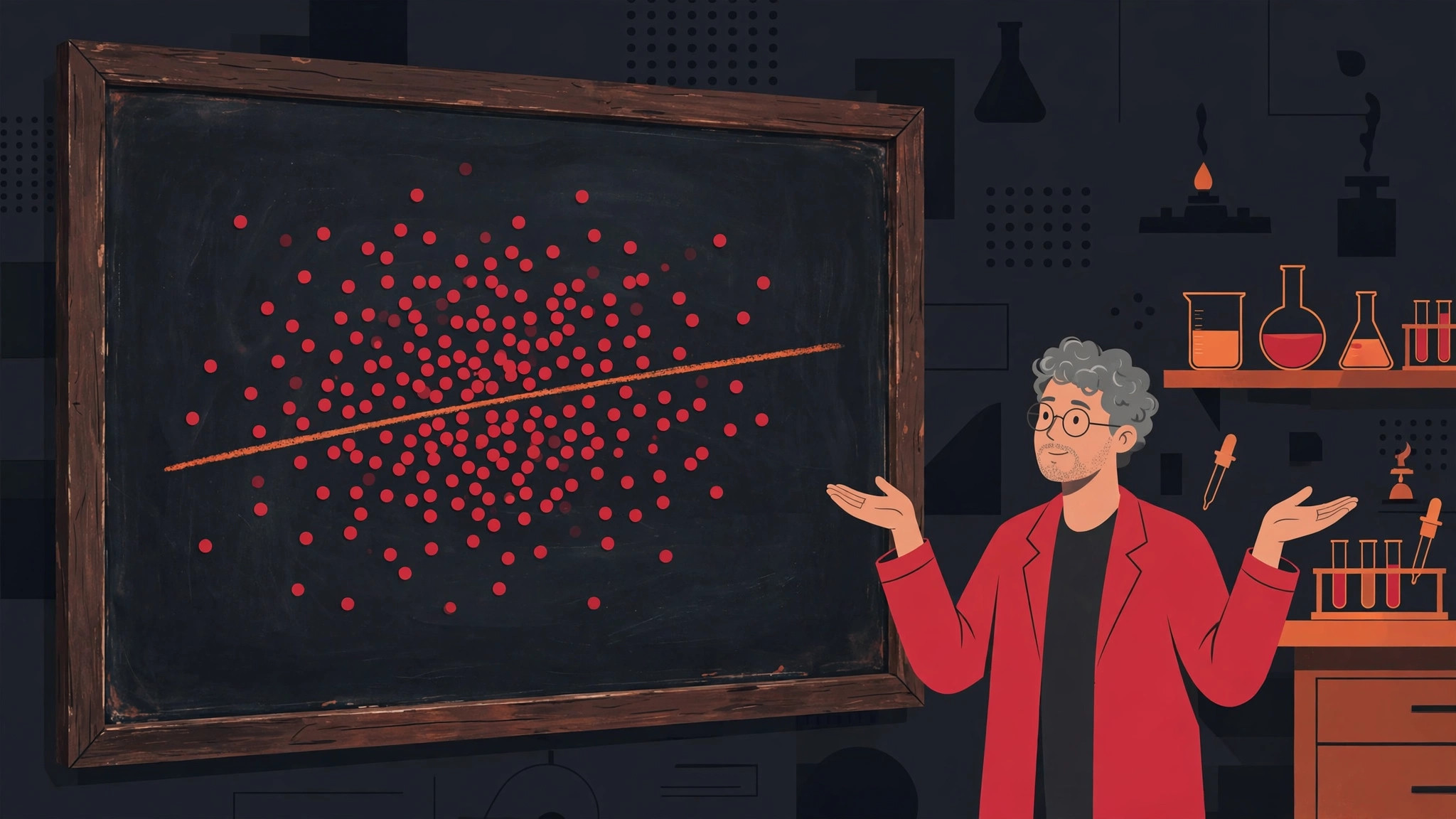
The Truth About 220 Minus Age
The world's most famous fitness formula was never meant for individuals. Its real history, its error bars, and the better formulas that followed.
Read the guide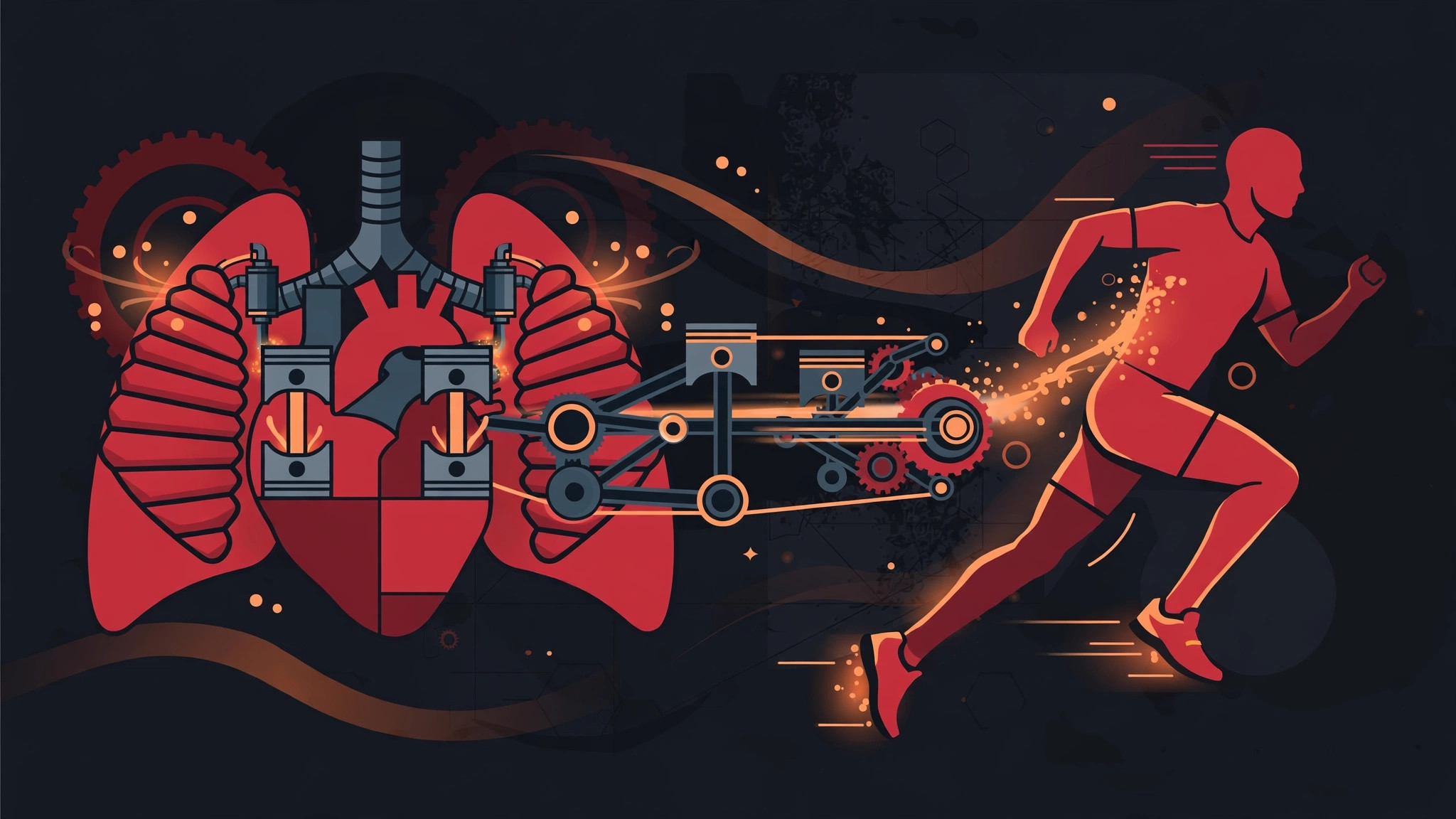
What Is VO2 Max, and How Much Can You Improve It?
VO2 max measures the size of your aerobic engine. What it is, what counts as good, and how much of it you can actually change.
Read the guide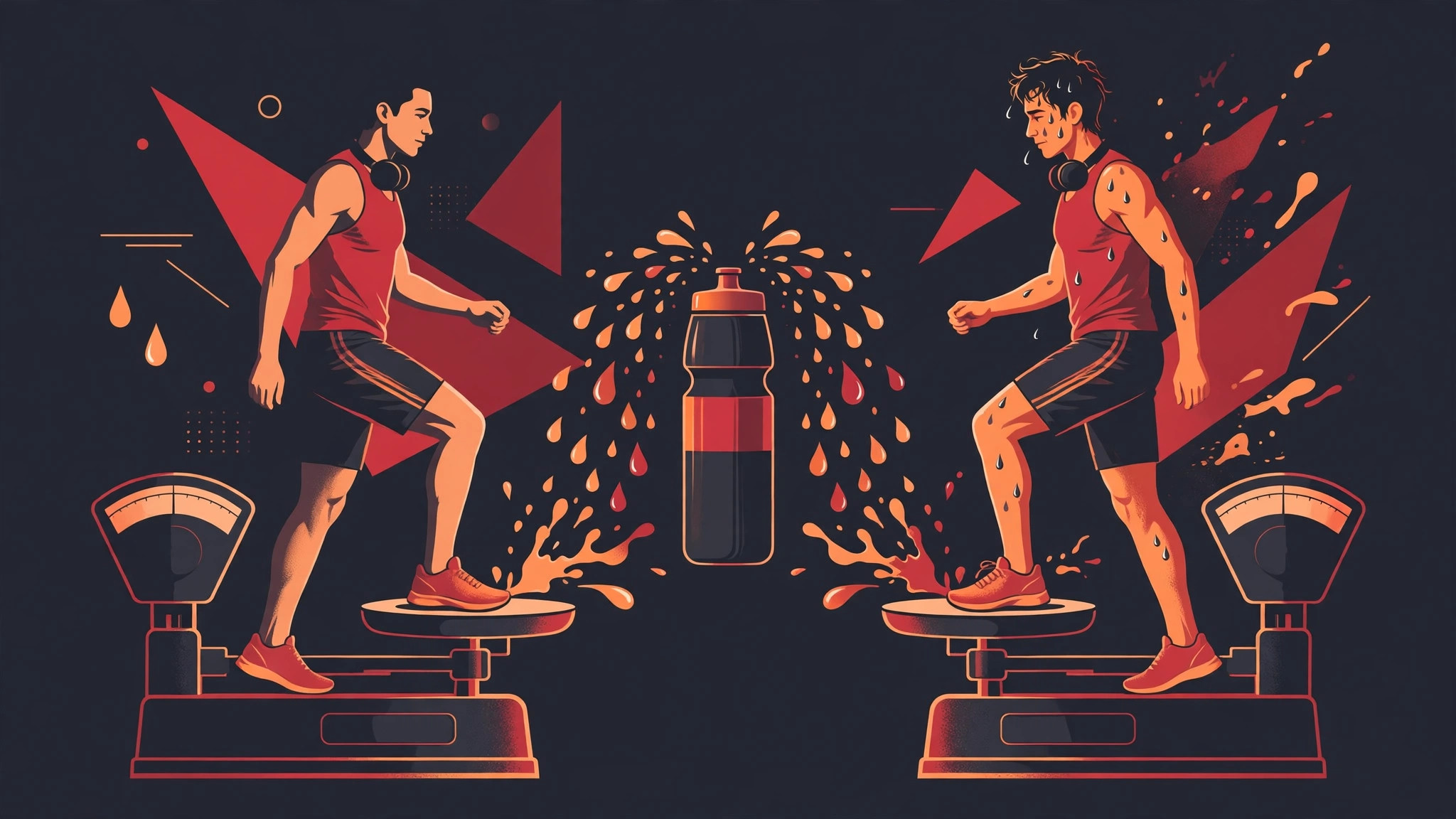
Sweat Rate and Hydration: Measure Yours Once, Use It Always
How to measure your sweat rate with two weigh ins, why replacing 150 percent of losses works, and the signs that you are behind on fluid.
Read the guide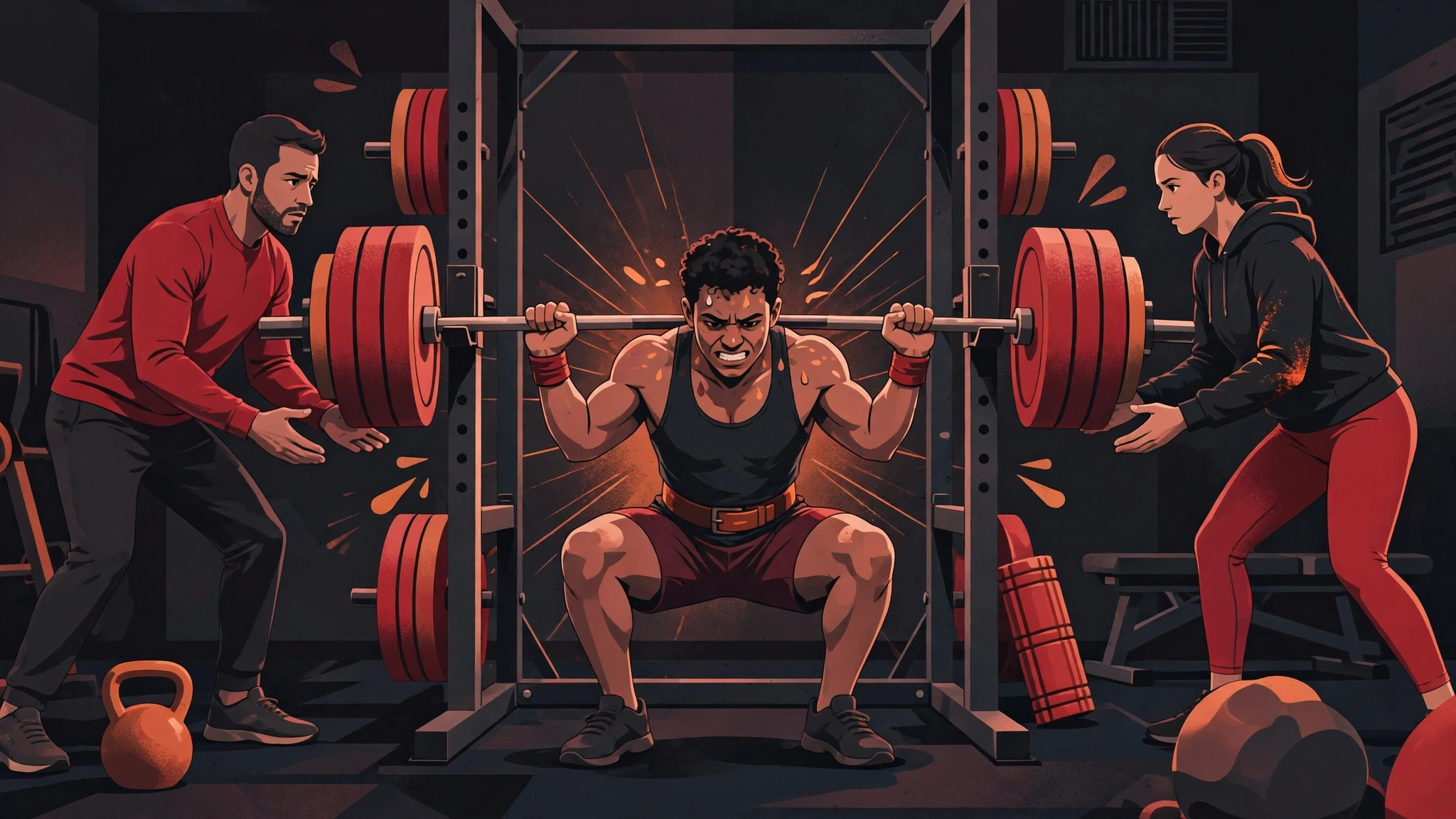
What Is a One Rep Max, and Should You Test It?
What a one rep max is for, why you rarely need to test it, and how submaximal sets predict it through the Epley and Brzycki formulas.
Read the guide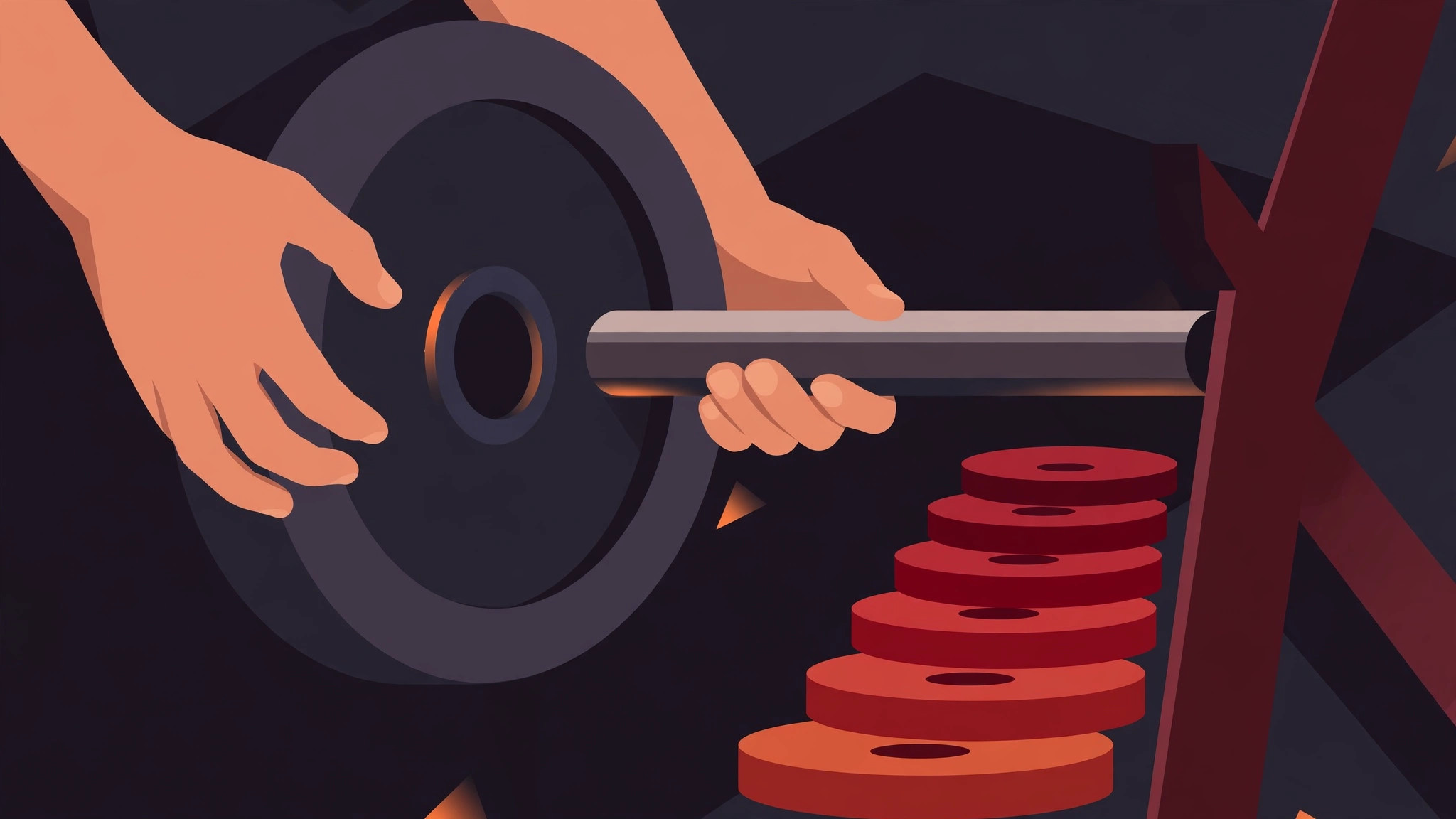
How to Load a Barbell: Plates Per Side, Explained
Plate maths without the headache: bar weights, standard plate sets, loading order, and how to handle targets that cannot be built exactly.
Read the guide
Training with Percentages: Loading Tables That Make Sense
Percentage based training decoded: the zones from 60 to 95 percent, what each builds, and how a loading table turns a programme into plates.
Read the guide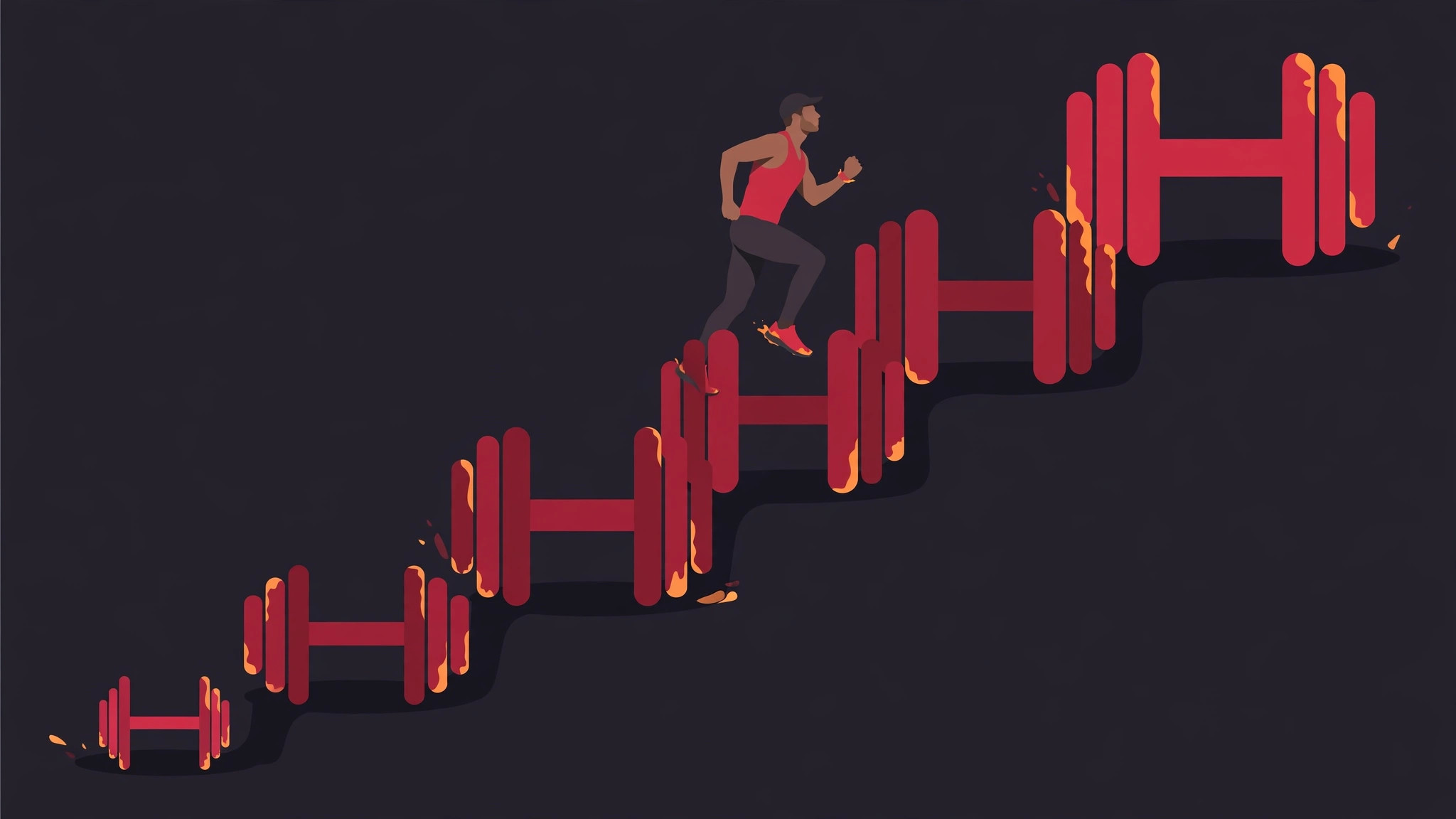
Volume Load and Progressive Overload: Progress You Can Count
Volume load is the simplest honest measure of strength work. How to calculate it, why it drives adaptation, and how fast to raise it.
Read the guide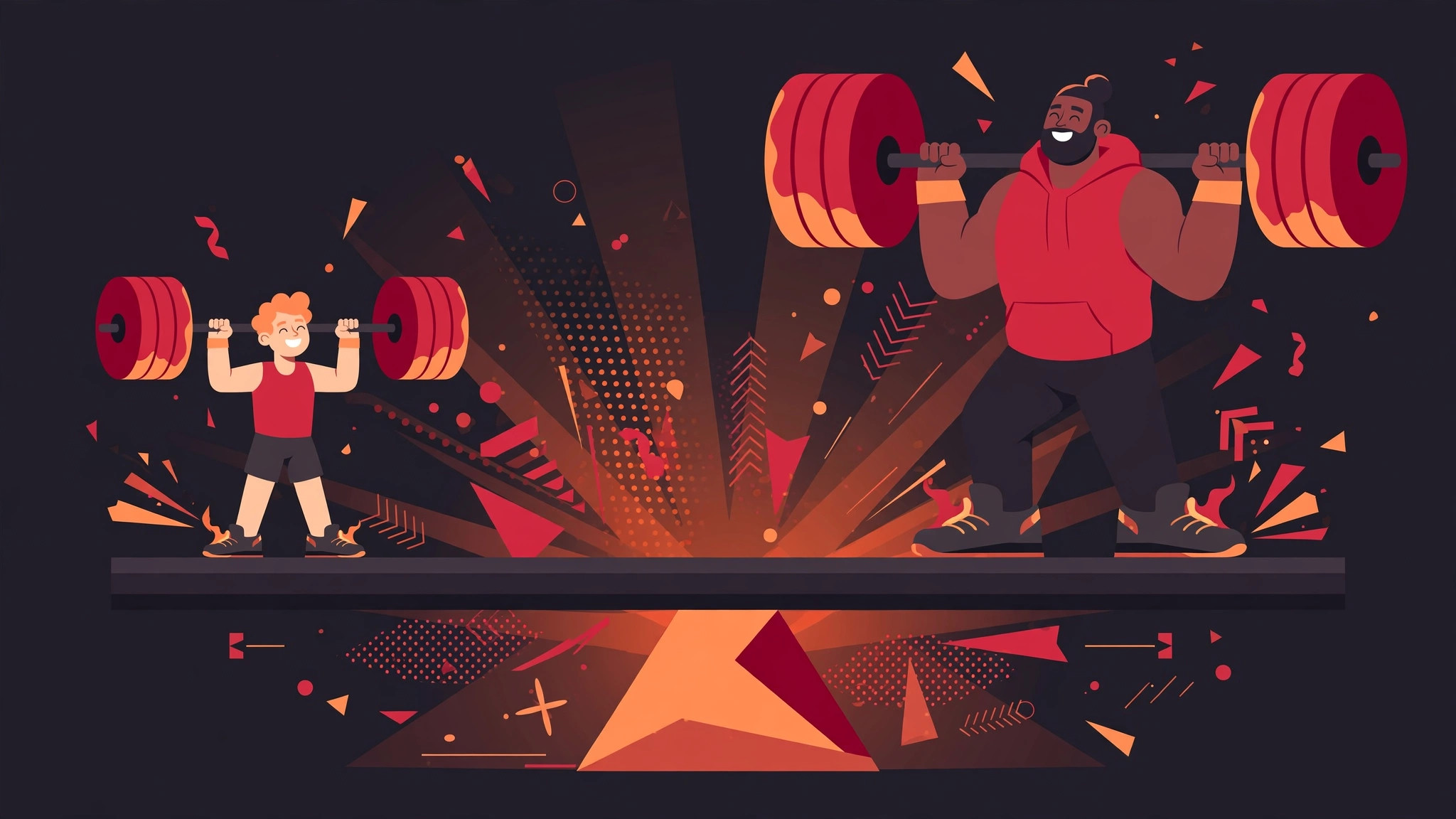
Wilks Points Explained: Pound for Pound Strength
How Wilks points compare powerlifters across body weights, what scores mean at club and elite level, and the newer formulas replacing it.
Read the guide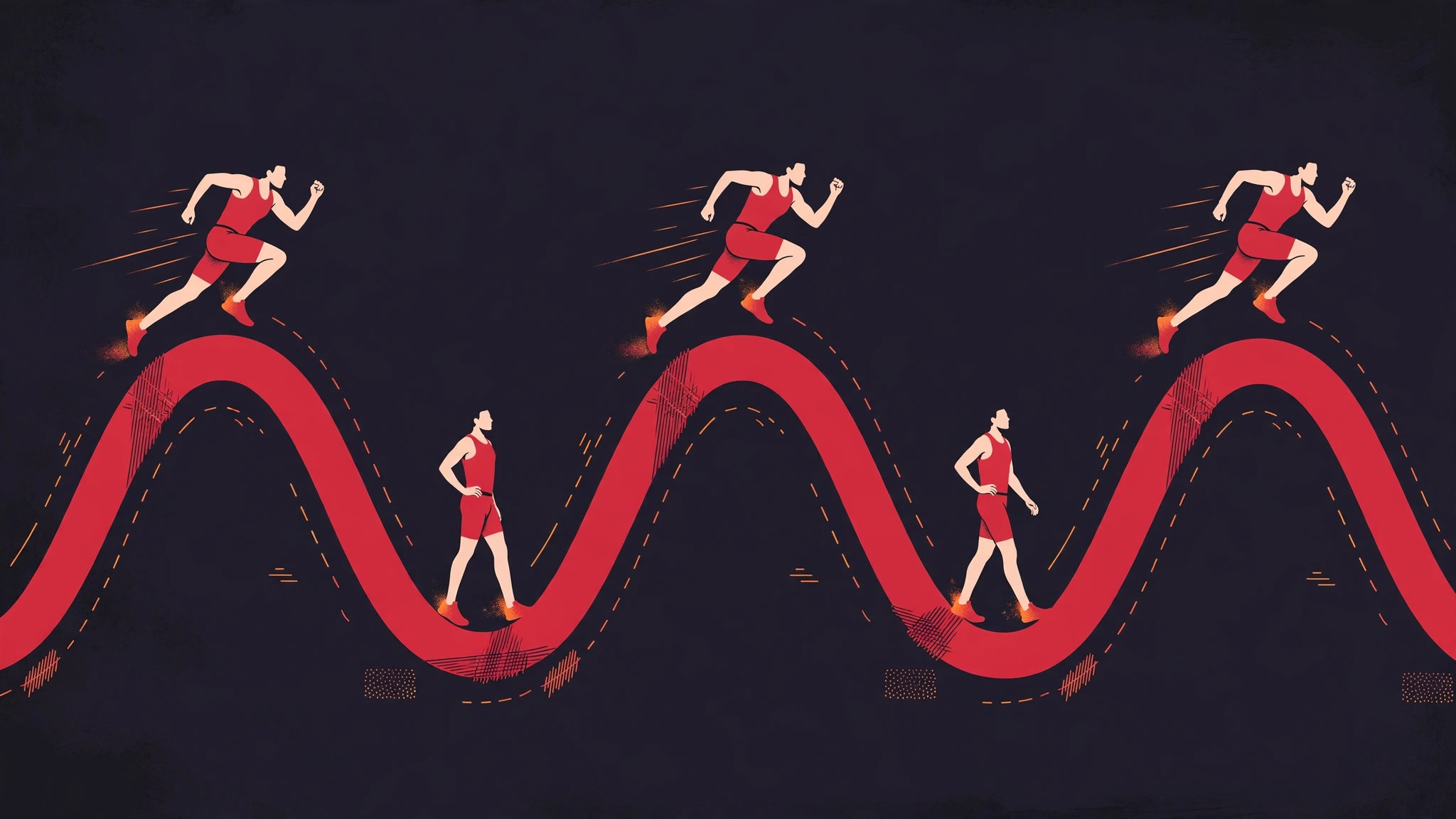
Work to Rest Ratios: The Hidden Half of Interval Training
Work to rest ratios decide what an interval session actually trains. The ratios behind sprint work, HIIT and conditioning circuits.
Read the guide
How to Start Running Without Getting Hurt or Hating It
A calm, injury aware route into running: the walk run method, the talk test, and the only progression rule you really need.
Read the guide
Couch to 5K: The Principles Behind Every Plan
The principles underneath every couch to 5K plan: gradual exposure, walk breaks by design, and finishing the distance before chasing speed.
Read the guide
Zone 2 Training: Why Slow Work Makes You Fast
Zone 2 training is the slow work behind fast athletes. What it is, why it feels too easy, and how to know you are actually in it.
Read the guide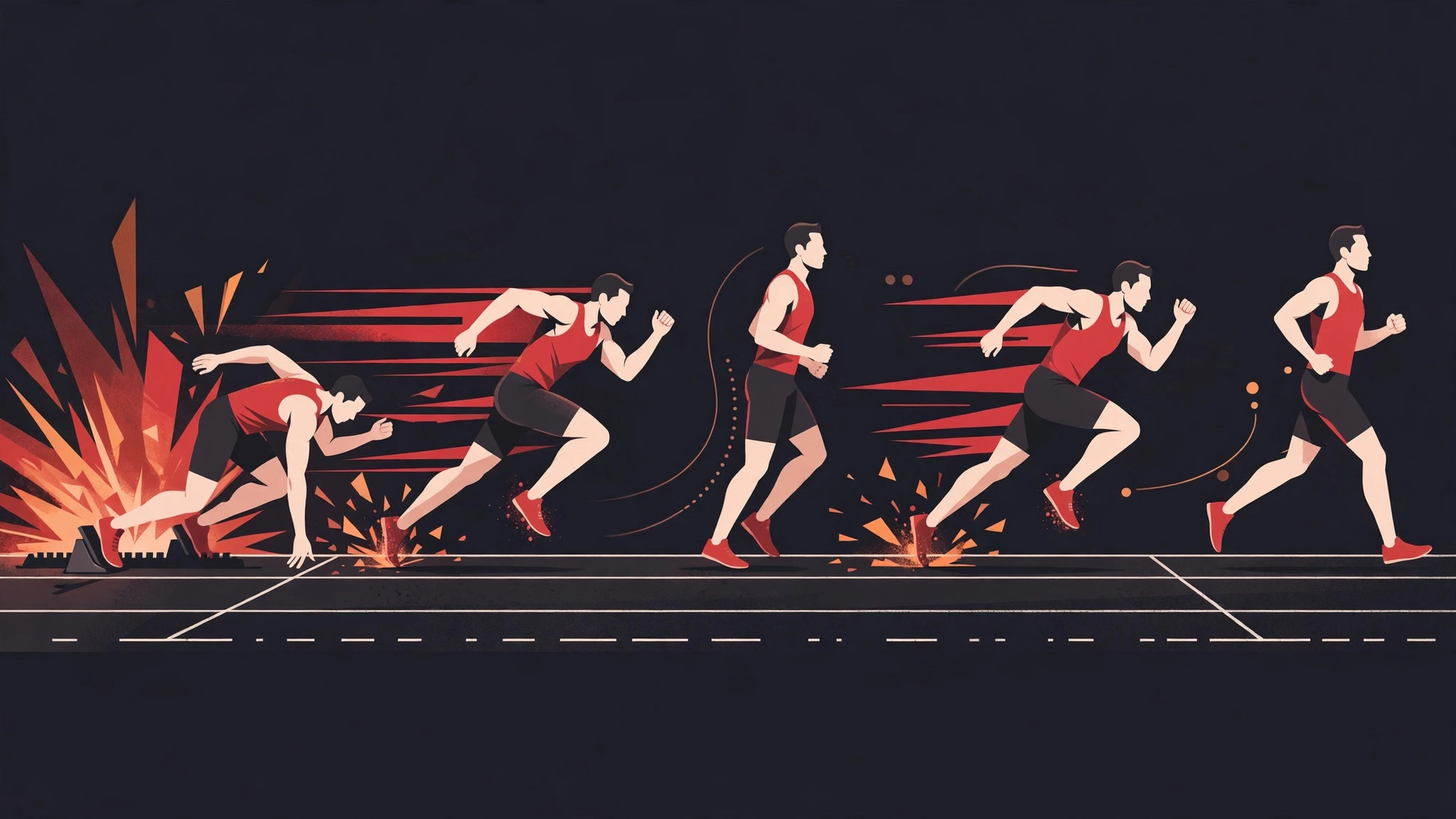
Interval Training Basics: Hard Efforts, Honest Doses
High intensity interval training stripped of hype: the formats that work, the doses that matter, and who should be careful.
Read the guide
Strength Training for Beginners: Start Light, Stay Long
The first months under a bar: the lifts that matter, how much weight to start with, and the technique rules that keep you training.
Read the guide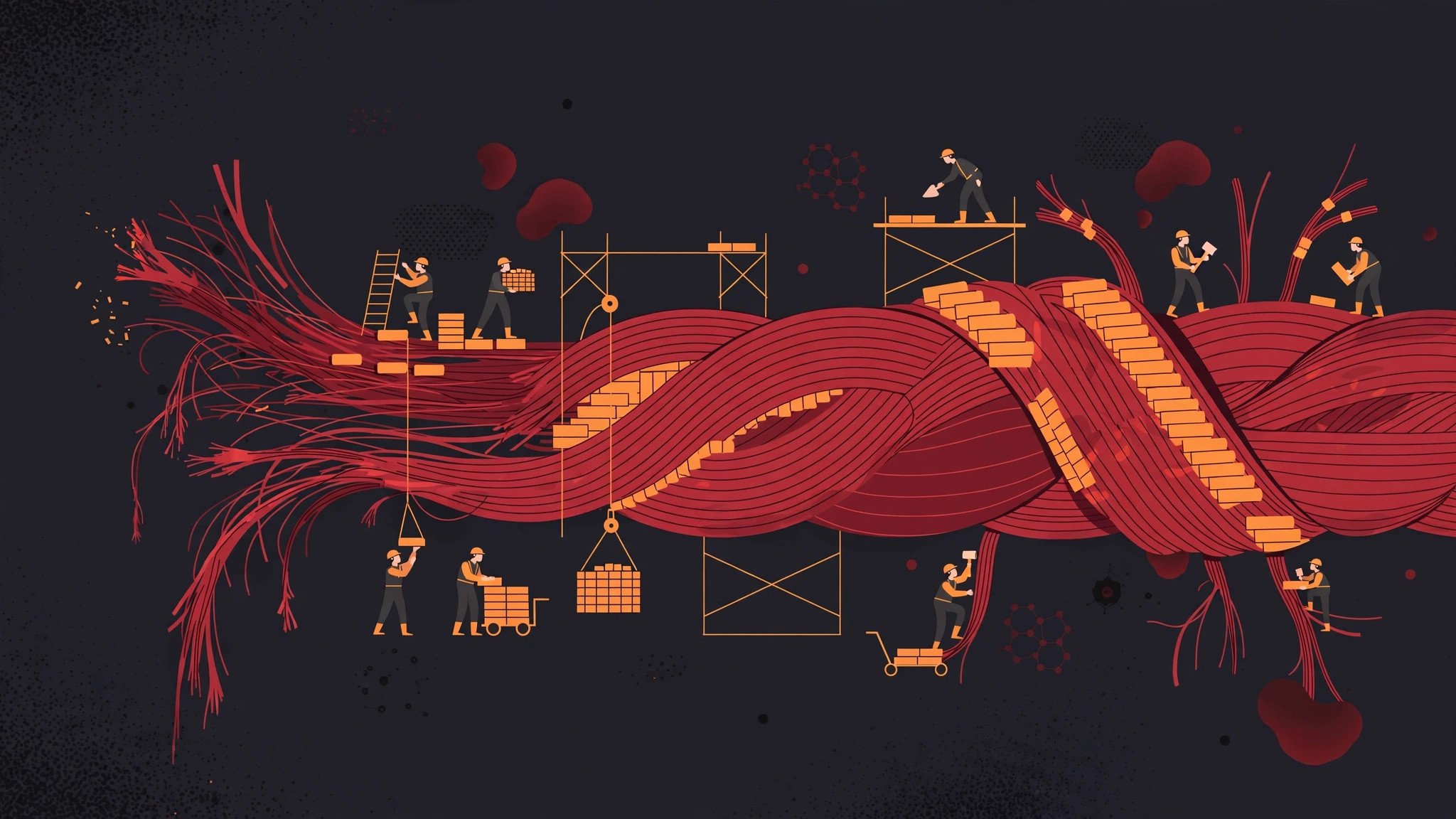
How Muscles Grow: Tension, Protein and Patience
Hypertrophy in plain terms: mechanical tension, protein synthesis and the weekly dose of hard sets that makes muscle grow.
Read the guide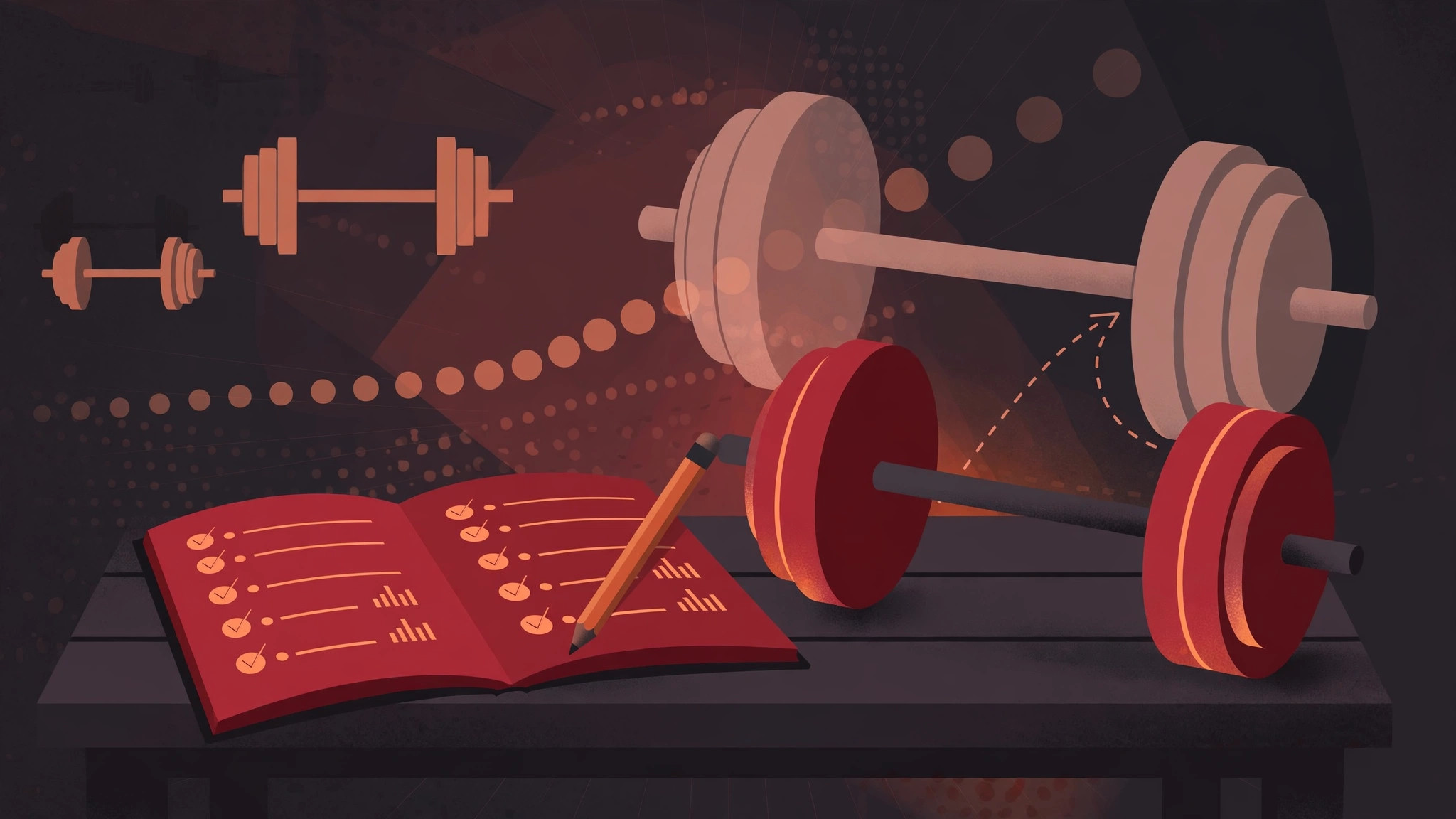
Progressive Overload Explained: Slightly More, Forever
Progressive overload without the mythology: the four ways to add load, how fast to add it, and the deload weeks that protect it.
Read the guide
How Much Protein When Dieting? Defending Muscle in a Deficit
Dieting changes the protein equation: why a deficit raises your needs toward 2.4 g per kg, and how to hit it without misery.
Read the guide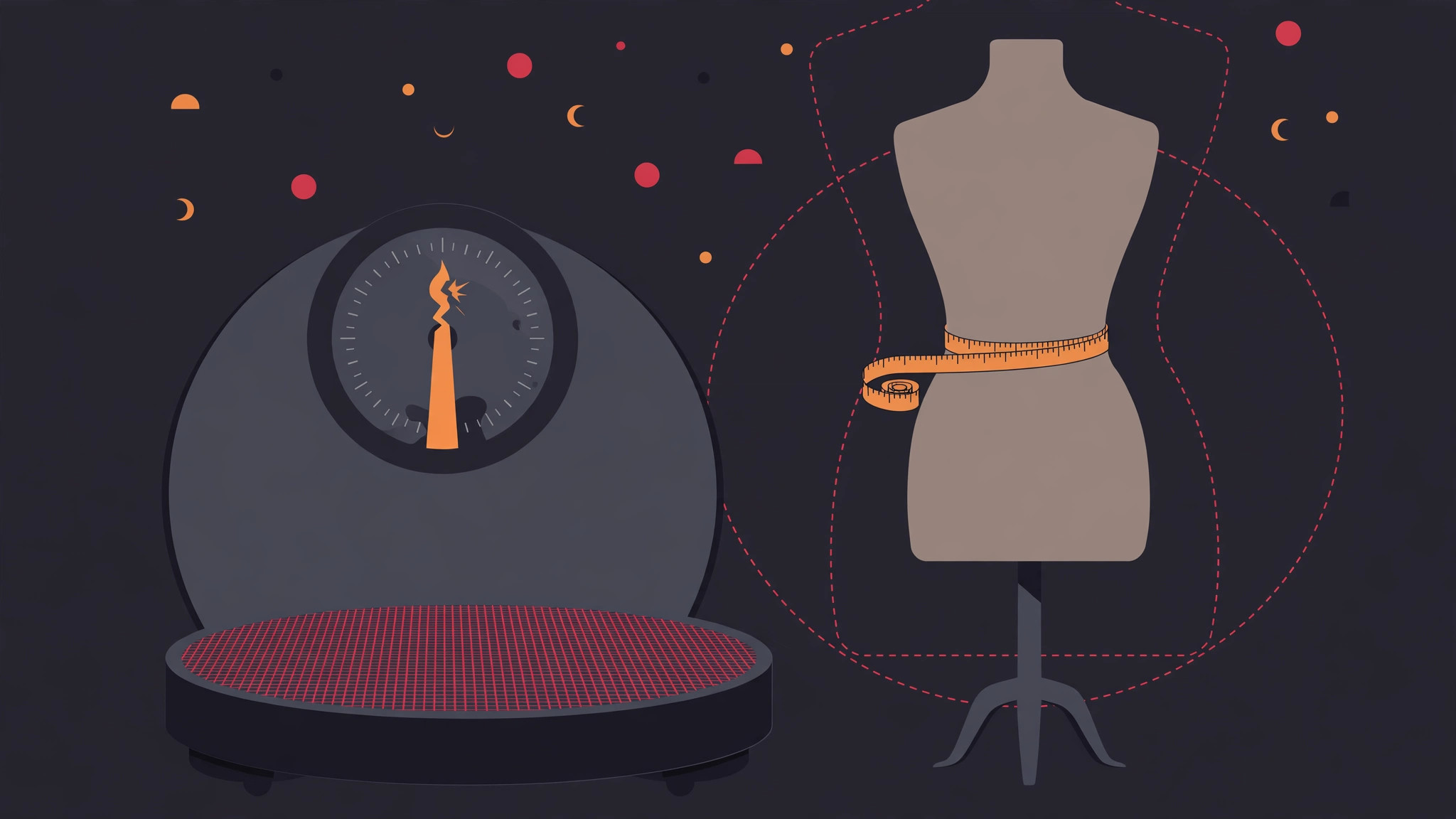
Why the Scale Stalls: Water, Adaptation and Quiet Creep
Plateaus are physiology, not failure: water shifts, a falling TDEE and quiet calorie creep, and the order to check them in.
Read the guide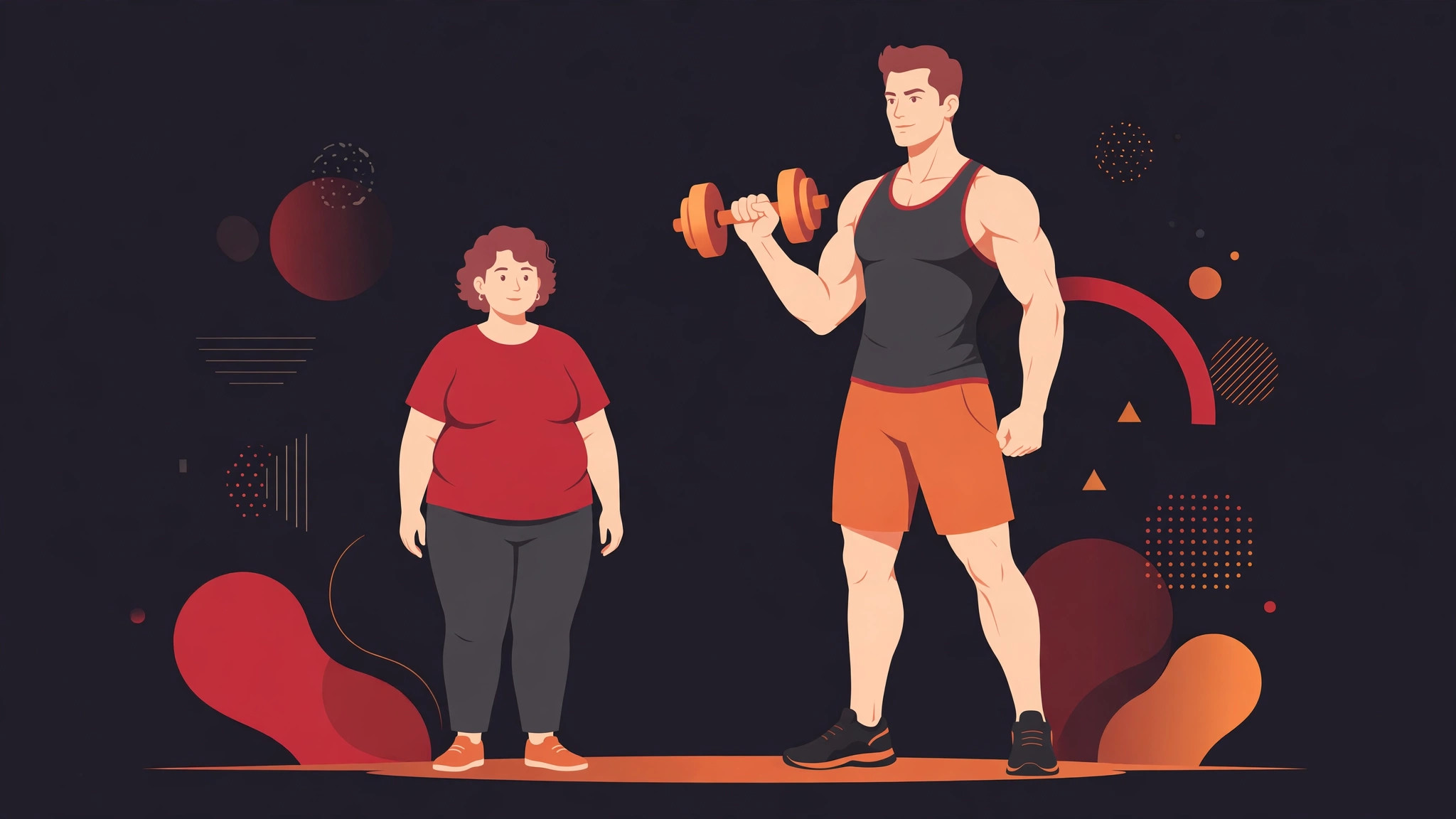
Fat Loss vs Weight Loss: Not the Same Project
Weight loss counts everything that leaves; fat loss is the part you meant. How recomposition works and how to lose fat while keeping the muscle.
Read the guide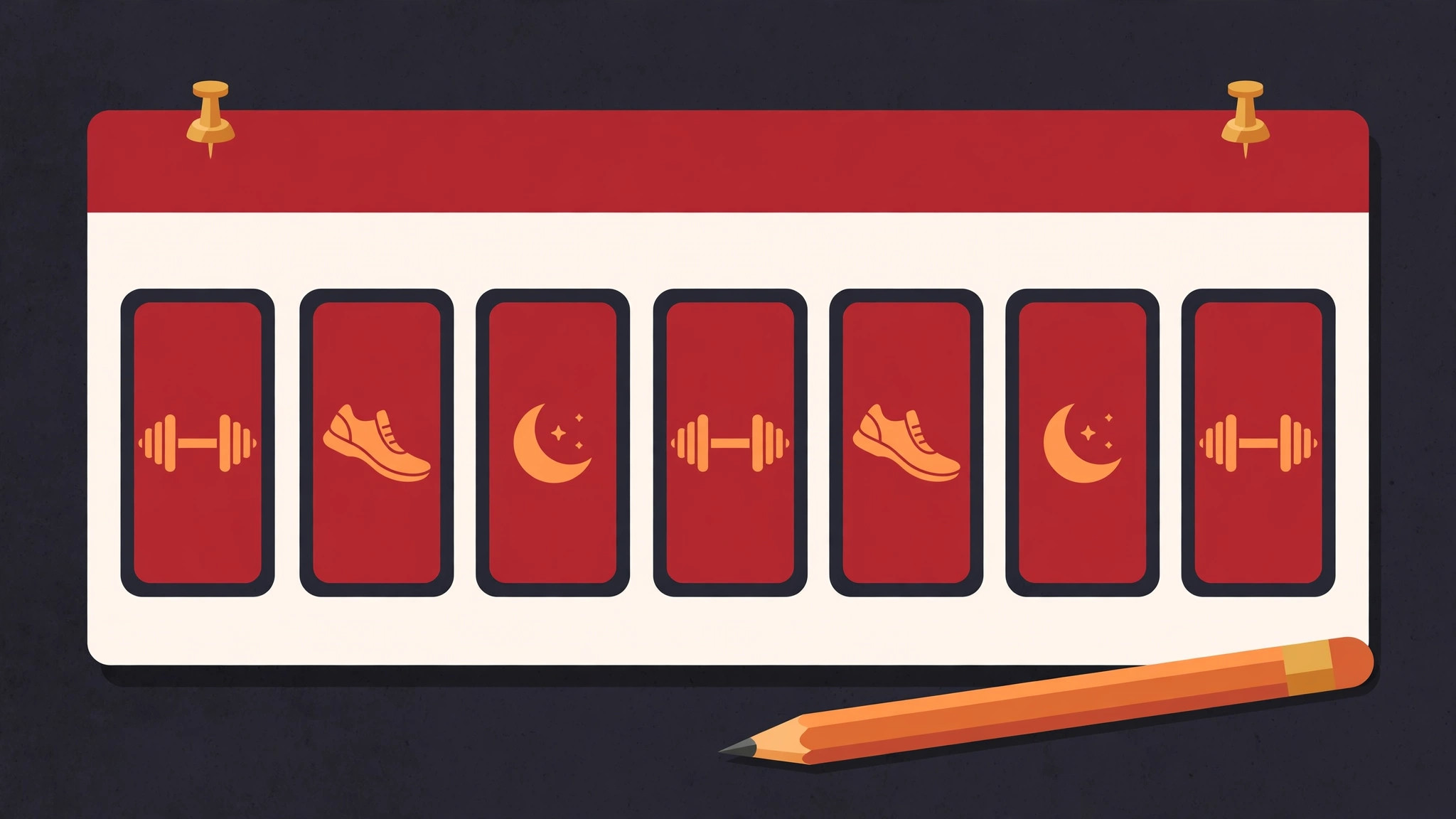
Building a Weekly Training Plan That Survives Real Life
How to arrange training across a week: frequency, splitting strength and cardio, and leaving room for a life.
Read the guide
Rest Days and Recovery: Where Fitness Is Actually Built
Rest is when training becomes fitness. Sleep, easy days, deloads and the signs that you are borrowing from tomorrow.
Read the guide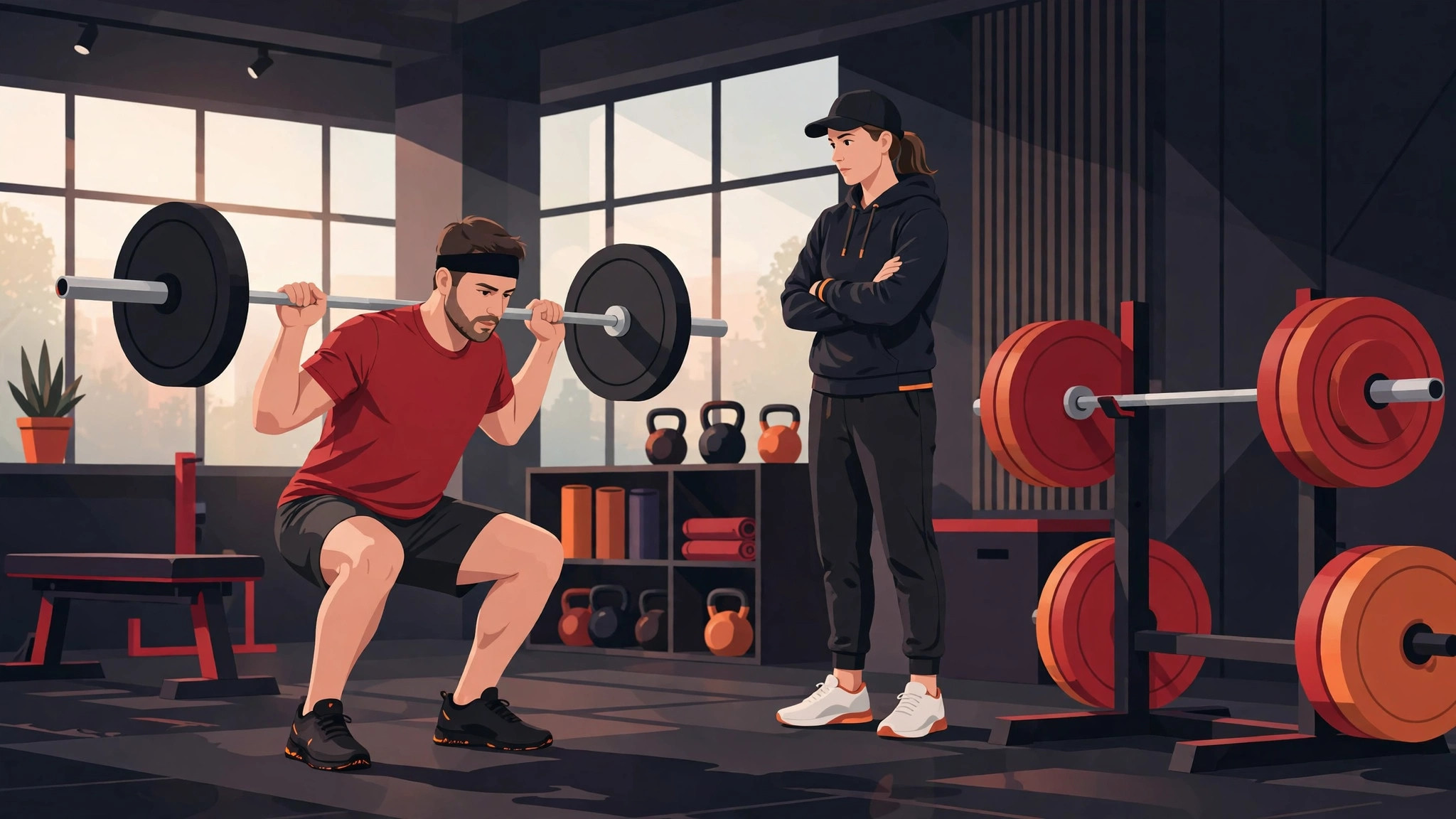
Warming Up Properly: Rehearse, Do Not Ritualise
A warm up is a rehearsal, not a ritual: raise temperature, mobilise the joints you will use, and practise the movement at rising loads.
Read the guide