Running Form Basics: Small Cues, Real Economy
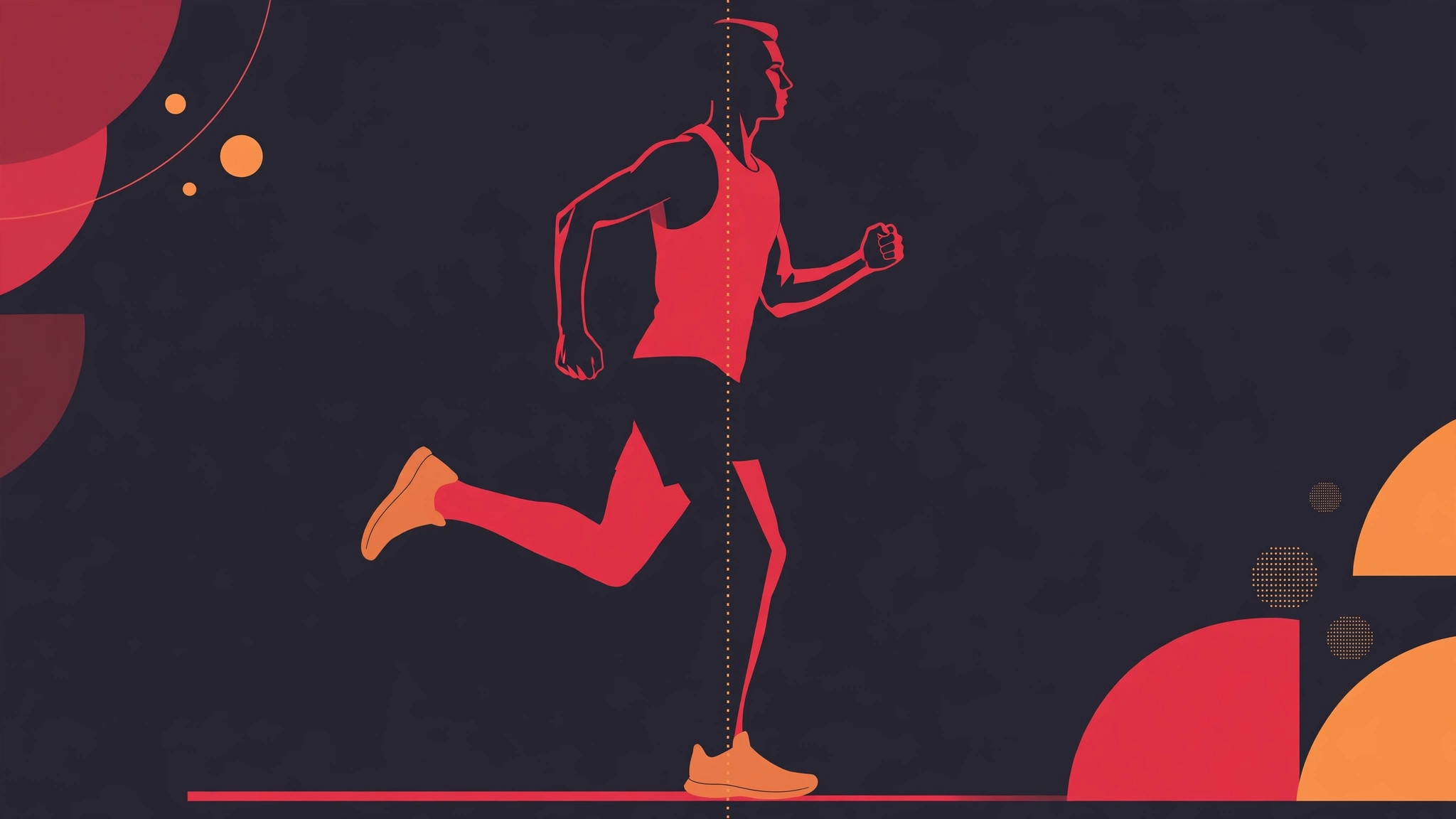
Run tall, land close
Most form advice reduces to two cues. Run tall: imagine a string lifting the crown of your head, with a slight whole body lean from the ankles, not a bend at the waist. Land close: your foot should arrive under your centre of mass, not reaching ahead of it. Overstriding is the commonest fault in recreational running; each reaching step is a small brake you then pay to overcome, and it loads the shin and knee with the bill. Vertical oscillation is the visible tax. Every centimetre your centre of mass bounces is energy spent going up instead of forward. Efficient runners look almost boring: head level, steps quick and light, little wasted motion. Film yourself from the side at easy pace and watch the head line; if it surges and dips, cadence work and a slightly forward posture will usually calm it within weeks.
Cadence, the quiet fix
Step rate ties the system together. Many beginners shuffle at 150 to 160 steps per minute with long, bouncing strides. Nudging cadence up by 5 to 10 percent, often toward the 170s, shortens the stride, reduces overstriding and vertical bounce, and lowers impact loading, all without running faster. Change it gradually with a metronome app for a few minutes at a time; forcing a full jump to 180 invites new problems. Foot strike matters less than foot placement. Heel, midfoot and forefoot strikers all reach podiums; what they share is landing close to the body with the lower leg near vertical at contact. Changing strike pattern deliberately shifts load between calf, Achilles and knee, which can help a specific injury history under guidance, but as a general project it trades one stress for another rather than removing it.
Arms, breathing and drills
Arms swing forward and back from the shoulder, hands unclenched, never crossing the body's midline; they set the rhythm the legs follow. Breathing should be rhythmic and mostly through the mouth at effort; if you cannot breathe, the pace is the problem, not the lungs. Short drills, high knees, A skips, strides after easy runs, rehearse the pattern at low cost. Then check the effect in your pace numbers over a month. Form degrades with fatigue, which is when it matters most. The final kilometres of a long run are where posture collapses and injuries gather. Practise a form reset at set points in long runs: tall, relaxed shoulders, quick steps, for one minute. Racing form is not a different technique; it is your easy technique, defended under tiredness.