Sleep and Performance: The Upgrade You Cannot Buy
The night shift of adaptation
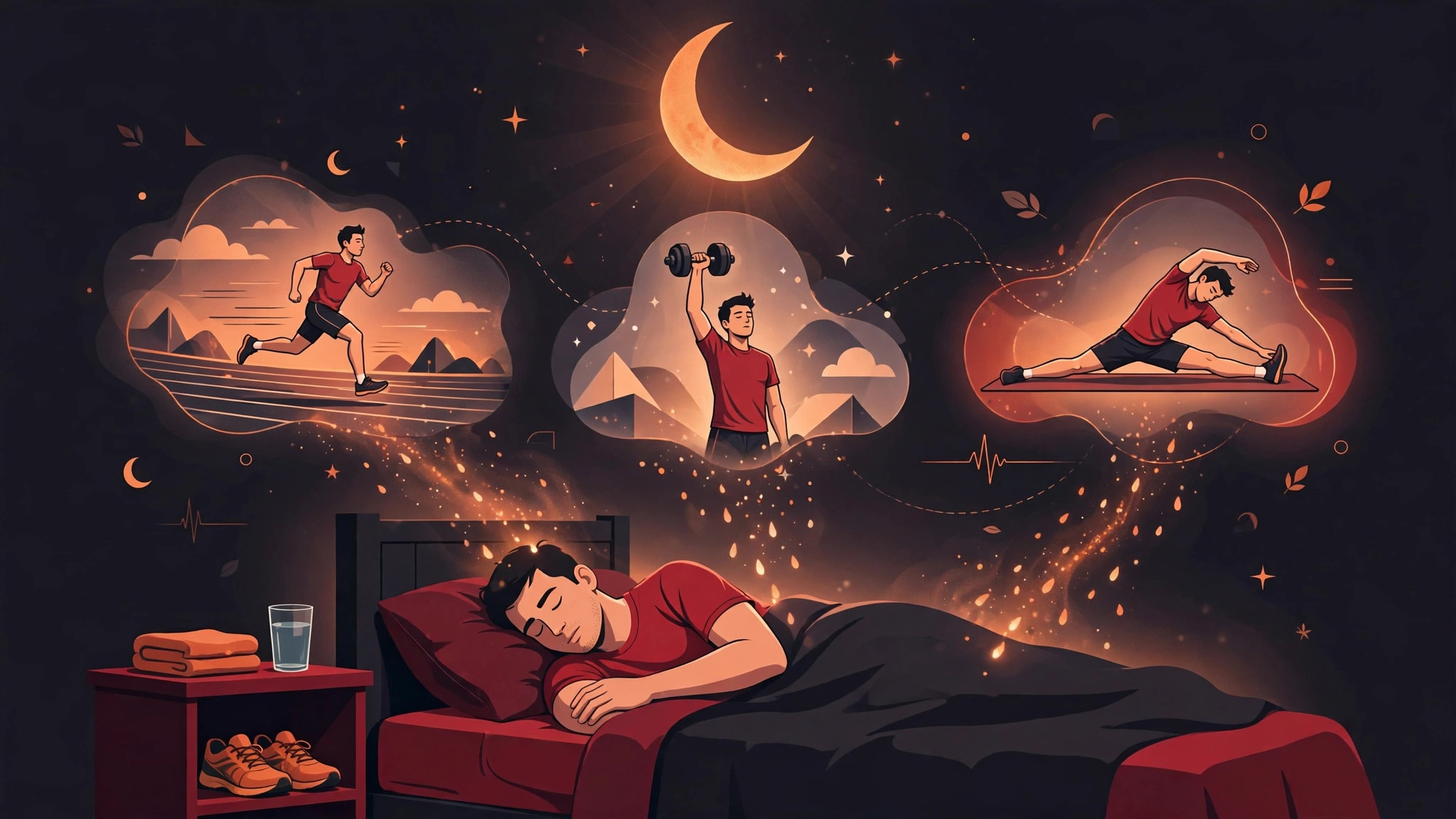
Deep sleep is when growth hormone pulses, muscle repair runs at full rate and the brain files away the motor skills you practised. Endurance is restored too: glycogen storage and hormonal balance reset overnight. Studies of athletes show sprint times, reaction speed and accuracy all improve with extended sleep, and all degrade measurably after short nights, often before the athlete feels especially tired. Your BMR keeps burning through it all; the night is not a pause in training but a phase of it. Naps are a legitimate tool with rules. Twenty to thirty minutes in the early afternoon restores alertness without stealing night sleep; longer naps risk grogginess and a delayed bedtime. Endurance cultures built the siesta on this physiology long before laboratories confirmed it. If nights are short during a heavy block, a disciplined nap is a better investment than an extra caffeine hit at 4 pm.
Sleep loss makes you hungry and fragile
Short sleep shifts appetite hormones toward hunger and cravings, and dieters sleeping poorly lose a larger share of weight from muscle rather than fat, even at identical calories. Injury studies in young athletes find a sharp rise in risk below eight hours. Reaction time after a badly short night can resemble mild alcohol impairment. None of this is fixed by caffeine; it is only masked by it. Alcohol is sleep's impersonator. A nightcap shortens the time to unconsciousness while fragmenting the architecture that does the repairing, suppressing deep and REM stages. Athletes who track sleep quality see the cost in their data within one evening. You do not need abstinence to train well, but moving drinks earlier and keeping them modest protects the night's real work.
Treat sleep like a training variable
Keep a regular wake time, cool dark room and a screen light wind down, and guard seven to nine hours as non negotiable in hard training blocks. Track it beside your workouts for a month and the pattern will argue for itself: the same sessions feel easier and produce more after good nights. When life cuts sleep, cut the day's intensity, not tomorrow's night as well. Finally, guard the last hour like a training session. Dim light, a cooler room, a consistent wind down and a phone charging outside the bed's reach are the unglamorous stack that works. Sleep is not the absence of training; it is the shift in which the training you did is converted into the fitness you wanted. Staff it properly.